Indexing of bacteria
|
|
Indexing of bacteria |
|
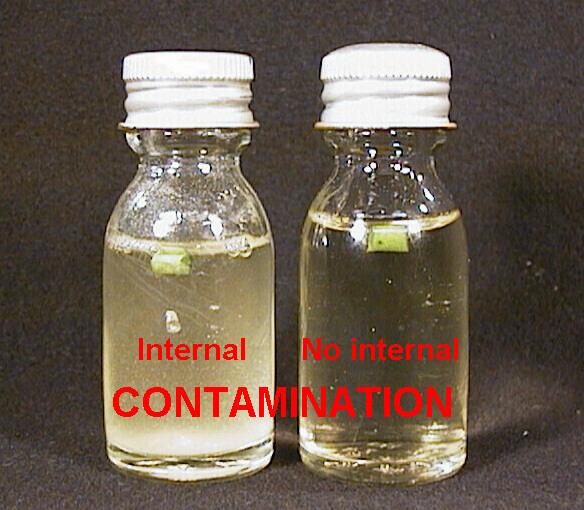
Visual inspection of the medium at the base of the plant may provide evidence of some contaminants, but is not adequate for slow growing bacteria, endophytes, or those bacteria which do not grow on plant tissue culture media.
|
||
|
If growth is observed the contaminants can be purified using standard bacteriological methods and characterized with biochemical tests such as Gram staining, motility, gelatinase, oxidase and oxidation/fermentation. Alternatively, the commercially available Biolog system can be employed, it detects carbon source utilization, and can provide results within 24-48 h. |
||
|
However, the fact that no bacterial contamination could be revealed by the standard procedures for bacterial detection does not necessarily mean that the cultures are bacteria-free. Indeed, most standard procedures for bacterial detection have been developed for phyto-pathogens and apparently many contaminants in tissue cultures have so far not been described as such. As a consequence no standard procedures are yet available. |